Wednesday, January 2, 2019

How to Drive Traffic to a Brand-New Site with Little to No Money

email marketing for beginners

budget

I know what you are going through.

You were excited to launch your brand-new site until you realized no one is coming to it.

So, you head to all of the marketing blogs to learn how to fix this, but for the life of you, your traffic won’t go up no matter which tactic you leverage.

What you’re feeling right now is very common. Not only have I experienced it, but when I was starting out, I even took the small life savings that I made from cleaning restrooms and sweeping up trash to pay a marketing firm to help me out.

And can you guess what happened?

They took my money and provided no results.

See, what most marketers aren’t telling you is that there are two main reasons why you aren’t getting traffic to your brand-new site (other than the fact that you don’t have much money to spend on ads):

  1. Marketing is a long-term game – almost all of the tactics marketers, including me, talk about are long-term tactics. They take 6 months or even longer to see any results.
  2. Your execution needs to be flawless – if you don’t implement the tactics correctly, you won’t see results.

Now, this doesn’t mean you can’t see short-term results or sales. More so you have to change up your strategy.

So, I thought I would do something a bit different today. I am going to break down what you should be doing during the first 12 weeks after launching your site.

I’ll be sharing a tactic for you to follow each week and, if you follow it, you’ll notice that your traffic will start going up right away. From there, you’ll start to see sales coming in.

Before I dive into the 12 tactics, note that you won’t have to spend much money, if any at all. I am also not going to give you advice that is extremely time-consuming, like writing blog posts, as you’ll also be running your business at the same time.

And of course, the tactics work for both B2B and B2C sites. It doesn’t matter if you are an ecommerce site or a SaaS company. Follow the steps below exactly.

Week #1: Respond to comments on other people’s blog without spamming

Have you heard of a popular site called Mashable? It was founded by Pete Cashmore.

When he launched his competing site to TechCrunch, no one knew about him and no one cared to listen to him as he was based in Scotland instead of Silicon Valley.

But do you think that stopped him? Of course not!

So, what did he do? He went out there and commented on every competing tech blog. And not only did he comment, but he always tried to be the first commenter.

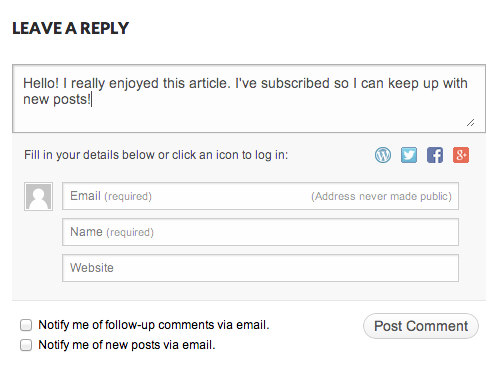
See, when you leave a comment on a blog, most ask you to put in your name, URL, and comment.
jetpack

Assuming you are leaving valuable comments and nothing spammy, you’ll notice that you’ll get referral traffic in your Google Analytics.

This will be because a very small percentage of people are clicking on your name when you leave a comment.

And considering some of the most popular blogs on the web receive millions of visitors each week, it’s not that hard to drive a fraction of a percent of their traffic back to your site.

The key with this strategy is to be one of the first commenters as that ensures your comment is at the top. The other key, of course, is that your comment must add value.

For example, if you own a marketing related product or service, marketing blogs would be a great place to comment. But what do you think will happen if you leave this kind of standard comment:

Nice post! Keep up the good work!

Nothing. On the flip side, if you put in some effort to write something that benefited the reader, you’ll have a chance at getting some traffic.

An example could be something like this…

Neil, I love the actionable tips on generating traffic for a brand-new site within the first 3 months of launching it. But I know you didn’t discuss much if any about SEO.

I know SEO is a long-term strategy, but people should get a head start right away or else it will take that much longer to get loved by Google.

One thing that I recommend every site to start off with is simple keyword research. You can use any free keyword research tool like Google Keyword Planner and type in your competitor URL. Google Keyword Planner will then suggest keywords and even show you the cost per click.

By going after keywords that aren’t competitive and have a higher cost per click, you’ll find that you can generate search traffic at a much faster pace and these keywords will drive sales. As keywords with a high cost per click tend to mean that they convert.

Do you see what I mean by writing thoughtful comments that help people?

This tactic works!

Jared, who runs Skincare by Alana, still leverages this tactic today. When he and his wife launched their ecommerce store they commented on other popular blogs and social sites when it came to all things skin related.

This helped them generate 931 visitors during their first week and 12 sales.

I know it’s not a lot, but you have to start somewhere and grow from there.

I also have leveraged this tactic for years. Instead of focusing just on blogs, I commented on relevant social sites too.
quora

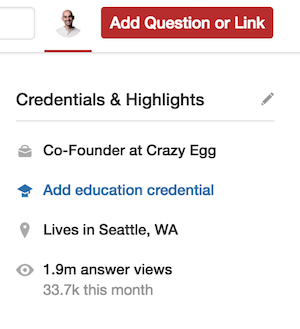
As you can see from the screenshot above, I’ve generated over 1.9 million views on my Quora responses.

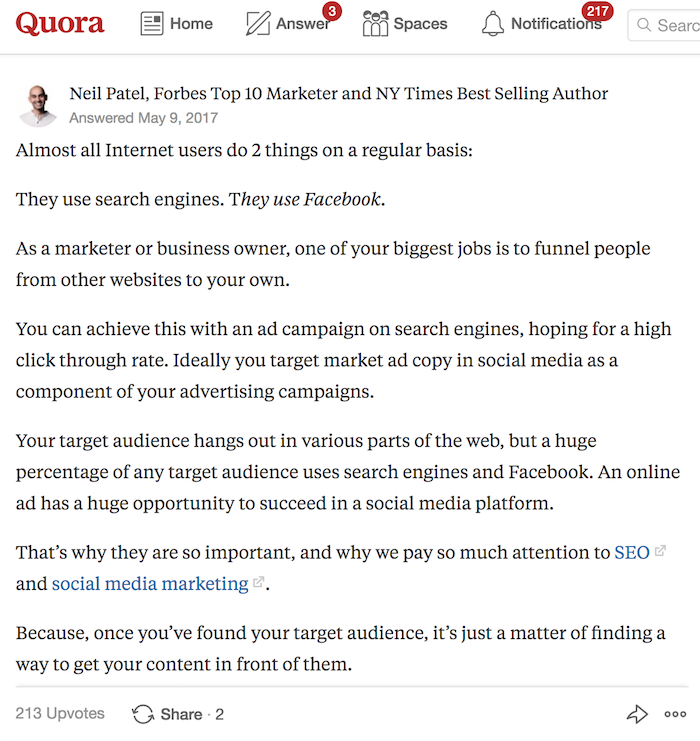
Here’s an example of one of my responses:
quora response

You’ll notice that in my response I also link out to my own site which drives traffic back to me.

Yes, the response looks very long, and you may think I put in tons of work, but I literally copied and pasted a blog post I had already written and added it to Quora.

Google doesn’t penalize for duplicate content. 😉

If you are going to use this strategy during week one, try to leave at least 10 solid comments per day. I would try to leave 20 as it shouldn’t take you more than two hours per day… assuming you haven’t done this before.

I can typically leave 15 comments in less than 50 minutes. So, throughout the first week try to speed things up and spend no more than an hour on this tactic per day.

Week #2: Be helpful on Twitter and you’ll get tweets

Before I go into week 2, keep in mind you’ll still want to maintain the tactics I share in the previous week.

By week 12, you’ll want to be following all 12 tactics each week.

Of course, you won’t be able to put in the same number of hours into each tactic and that’s fine, but you can still do them a bit. For example, you can still leave 5 comments a day instead of leaving 20.

So, let’s dive into week 2, which is all about Twitter.

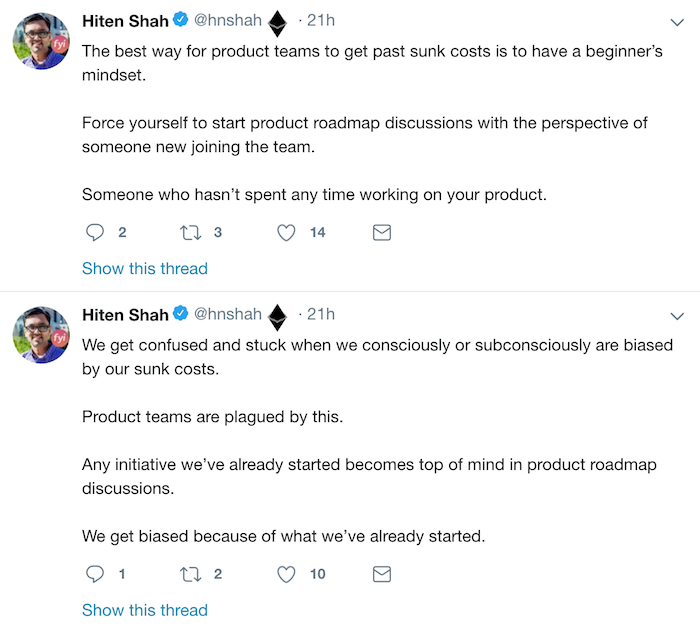
This tactic I learned from my brother-in-law Hiten Shah. He used to leverage this tactic for every one of our startups… Crazy Egg, KISSmetrics, and he now leverages it for his newest company FYI.

If you look at Hiten, he built up his personal brand and influence in the tech space because of Twitter. Sure, people like me may have a bigger brand or more Twitter followers, but he has much, much, much more authority on Twitter than I do.
twitter responses

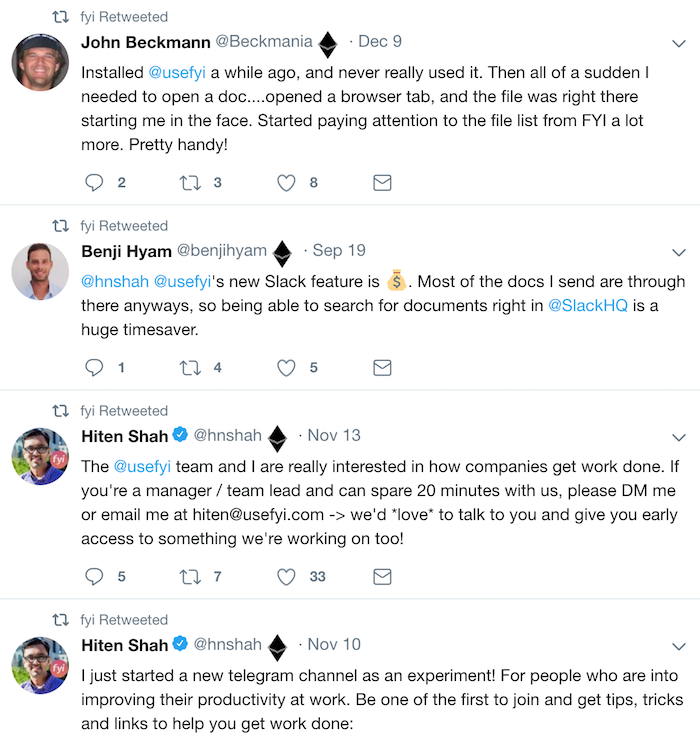
As you can see influential people on Twitter are tweeting about Hiten’s latest company.

He even tweets and connects with well-known entrepreneurs like the founder of HubSpot and Drift because of Twitter.

So how is Hiten getting all of these people to show him some Twitter love? Well, he has a 3-step formula…

  1. Help people
  2. Help people
  3. Help people

And no, I am not joking, that is his formula. He doesn’t care to promote his business, he just helps people.

Let’s look at his Twitter profile to dive deeper into his strategy.

hiten shah

hiten shah

If you look at the tweets above, you’ll notice that Hiten continually pushes out advice on his Twitter profile. He rarely mentions his own company, but instead just tries to help people.

And when people ask questions or need help, he constantly responds to people’s tweets.

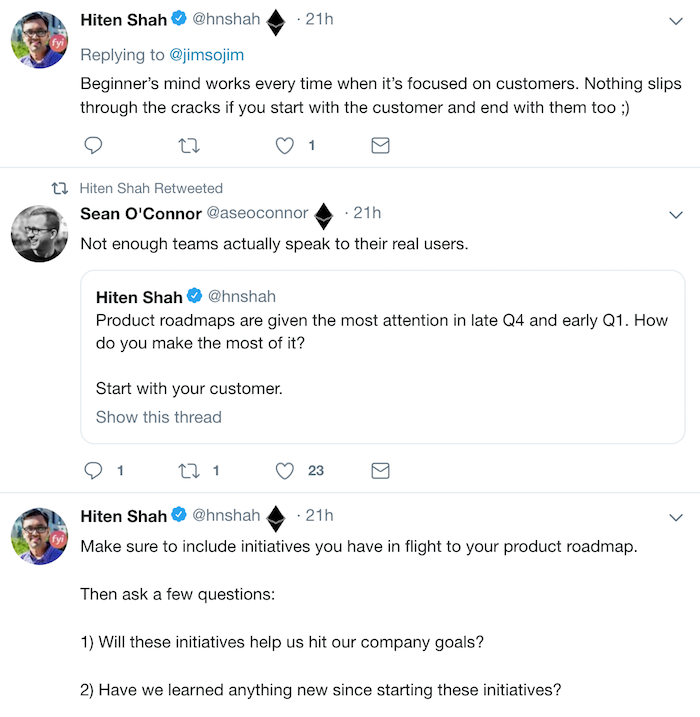
Not everyone takes his advice, but his mentality is to just be helpful no matter what. Just look at how he responds to people’s tweets.
hiten shah

Lastly, he retweets stuff that he likes. Whether you are an influencer or an average joe, he doesn’t care. He just wants to share the best information out there.
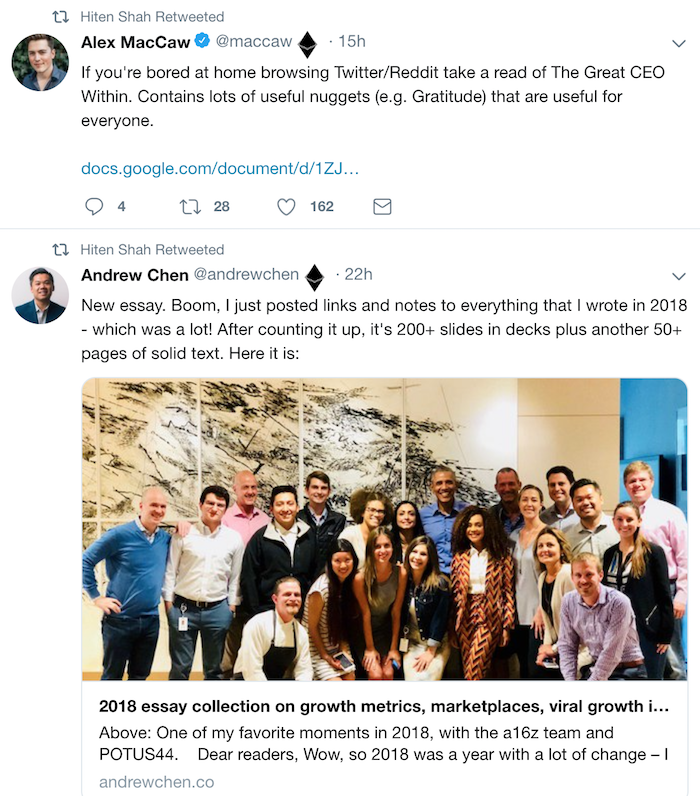
hiten shah

This is why so many people tweet about his product FYI. It’s because he is super helpful, so people naturally want to help him out without him even asking them to.

Now I know this strategy that Hiten uses seems like it is going to take forever to get results, and it does. But there is a hack that he uses to get immediate results.

Every day you should search Twitter for people talking about your competitor. When people have questions about your competitors’ products or services (or they have complaints), try and help them.

Don’t pitch them on your company, just try and help them.

What you’ll find is people will be shocked that you are helping a competitor. And if you are this kind and helpful, then what kind of service would they get if they took their business to you…

In other words, being helpful wins you goodwill and it will cause people to switch from your competitor over to you.

And if you go above and beyond like Hiten, people who haven’t even used your product or service will help promote you. Just like how one of his followers tweeted about FYI and he hasn’t even used it yet.
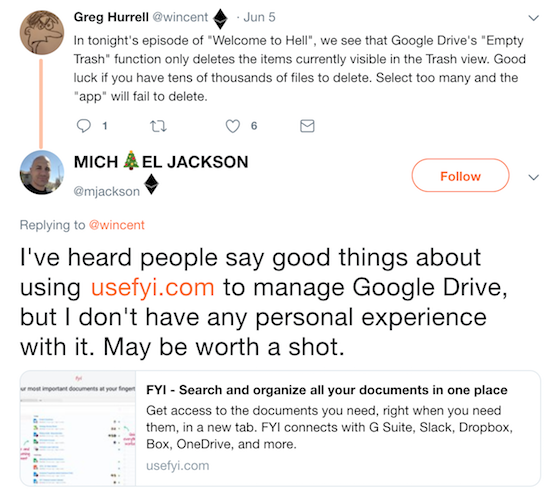
twitter fyi

His strategy to help, help, and help some more has made Twitter one of FYI’s biggest traffic source. It accounts for roughly 25% of their weekly traffic.

Week #3: Go after small affiliates

No matter what industry you are in, there are affiliates. If you aren’t familiar with affiliate marketing, check out this post.

When you are starting out you probably haven’t created an affiliate program yet in which pay other marketers every time they drive you a sale or a lead.

You can always use software like Hasoffers to set one up or go through a network. There are literally hundreds of options and with a few quick Google searches, you can find one which is the right fit for you.

Now, what most people will tell you is that no one is going to promote your affiliate offer because it is unproven and new.

Although it’s true that your offer is unproven, it doesn’t mean all hope is lost.

During your third week, I want you to copy the strategy ConvertKit used when they first launched.

The strategy I am about to break down helped them grow from a few thousand dollars a month in revenue to over a million a month.
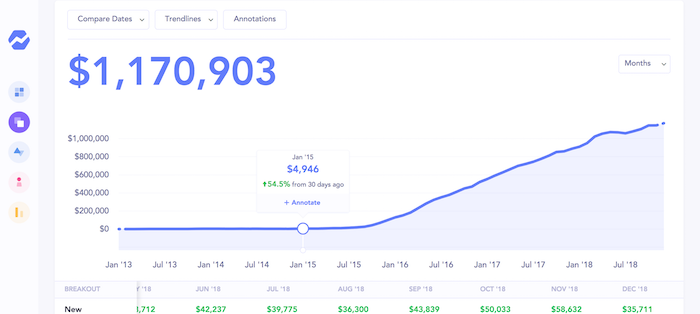
convertkit revenue

What ConvertKit did was they went to all of their competitors’ sites and looked to see which ones had an affiliate program. One of those competitors happens to be Aweber.

Then once they had a list of competitors with affiliate programs, they performed a Google search for “competitor name vs.” An example would be “Aweber vs”…
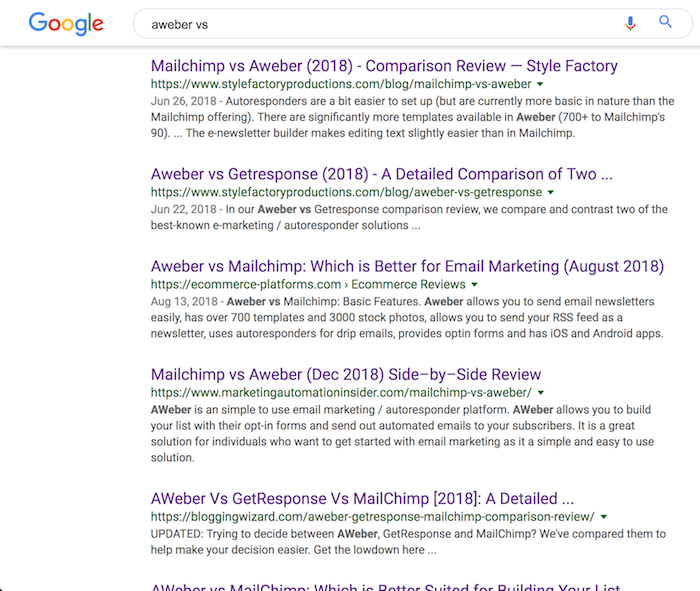
aweber

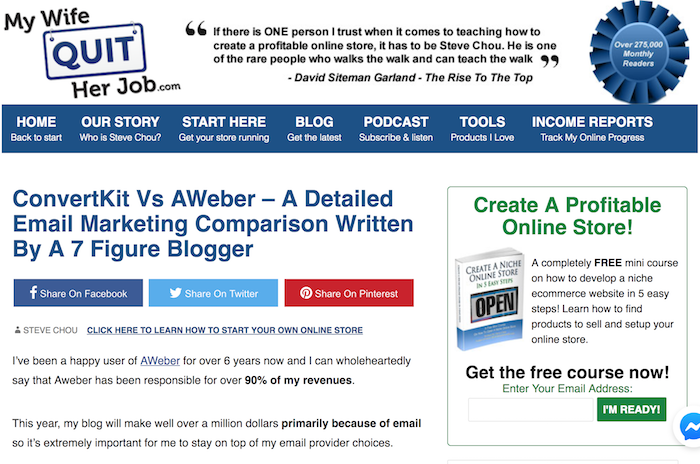
From there they would email each of those site owners asking them to include ConvertKit in the article or even write a unique article about ConvertKit. Just like this one.
convertkit affiliate

Just think of it this way, if someone is willing to be an affiliate for one company, they won’t mind throwing in a few extra competitors. All it does is give them the potential to make more money.

When leveraging this tactic, consider sending out 10 emails a day. It shouldn’t take long and people typically don’t mind adjusting their web pages to add in another link that could potentially earn them extra money.

Now compared to most tactics, this one will drive the least amount of visitors.

But the traffic will be very qualified and more likely to convert as you are going after “versus” articles. When someone types in “Company X VS Company Y” into Google, they are researching which solution is ideal for them. These posts rank well and they tend to drive sales.

Week #4: Hire guest writers

Now the strategy I am about to break down for you in week 4 is my favorite strategy.

This is what I used in my last startup KISSmetrics to grow our blog traffic to over a million visitors a month.

If you head to the KISSmetrics site you’ll notice that it now redirects to NeilPatel.com as I bought the site.

So how much traffic did the KISSmetrics blog get from this strategy?
kissmetrics speak

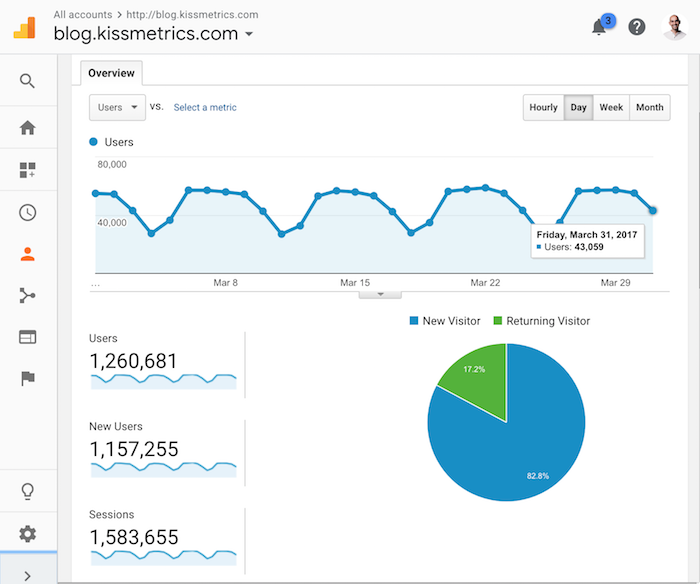
As you can see from the image above, we peaked at 1,260,681 unique visitors a month.

Our strategy was simple… hire writers who had a social following.

We went to the Problogger Job Board and posted a job looking for writers.

The job description looked something like this…

Are you a marketing expert? Do you know marketing like the back of your hand?

That’s great because I have an opportunity for you.

KISSmetrics is a leader in the web analytics space and we are looking to work with expert writers who know marketing and analytics.

We’re currently looking to expand our team of writers with passionate enthusiasts for digital marketing and with expertise and passion for writing.  We are hiring individuals for each of the following categories:

  • SEO
  • Content marketing
  • Social media
  • Web analytics
  • Conversion optimization
  • Paid advertising
  • Web design
  • Branding
  • Email marketing

Please go to our blog for examples of content we’re looking to create. [insert URL of your blog]

We would like to build a long-term relationship with you that is on a project basis. Initially, we will have you submit a list of topic ideas you would love to blog on, then we will pick one, have you outline it… and of course, you’ll then be off to the races.

The articles will be anywhere from 1,000 words to 3,000. Our goal isn’t to enforce a word count, we are more interested in high-quality content.

We’re looking for someone who is:

  • Looking for a long-term working relationship
  • Has 1 year of working experience as a writer
  • Has a good level of knowledge of digital marketing
  • Is willing to research and learn more about marketing
  • Has great grammar and spelling skills as well as proficiency in English
  • Likes working with deadlines and structure
  • Has a social following and doesn’t mind promoting the content you are writing as it will be published under your name

How to apply

Send an email to [insert your email] with – Applying For Writer Position in the subject line. Your email should include:

  • A bit about you as well as links to your social profiles
  • Why you’re a good fit for this position
  • Links to 2 -3 articles you have written
  • Your rate per 500 words.

The way we scaled up to over a million visitors a month was by publishing 5 blog posts a week. And every time a writer wrote a blog post for us, they didn’t mind promoting it to their social following as their name was on the article.

Once we got over 50,000 visitors a month, we noticed that we started to get inbound inquires of people willing to write for us for free. So eventually we slowly transitioned to a model where people wrote for us for free and we didn’t need to hire or pay writers.

You’ll notice that this will happen with your blog as it gets more popular.

What’s great about this strategy is the more writers you get, the more people that will find out about your company as each writer has different people following them on the social web.

Week #5: Create a podcast and interview guests

Have you listened to my podcast Marketing School? If you haven’t listened to it yet, check it out.

My co-host Eric Siu and I give marketing advice each day in under 5 minutes.

But don’t worry, the strategy I want you to implement isn’t to copy Marketing School or even listen to it (although I would be honored if you did listen to it).

Instead, it’s to copy my co-host, Eric Siu. He has another popular podcast called Growth Everywhere where he interviews someone new each and every single week.

You don’t have to do a weekly podcast, but I want you to interview someone in your space at least once a month.

And instead of making a separate site for your podcast, just pop it onto your main site.

Now when you publish each of these interviews, ask the guest to share it with their audience. From their social profiles to posting it on their own blog to even emailing their own list.

Although Eric has built a brand in the marketing space, he wasn’t well known when he started Growth Everywhere.

Just look at his stats from leveraging this tactic:
growth everywhere

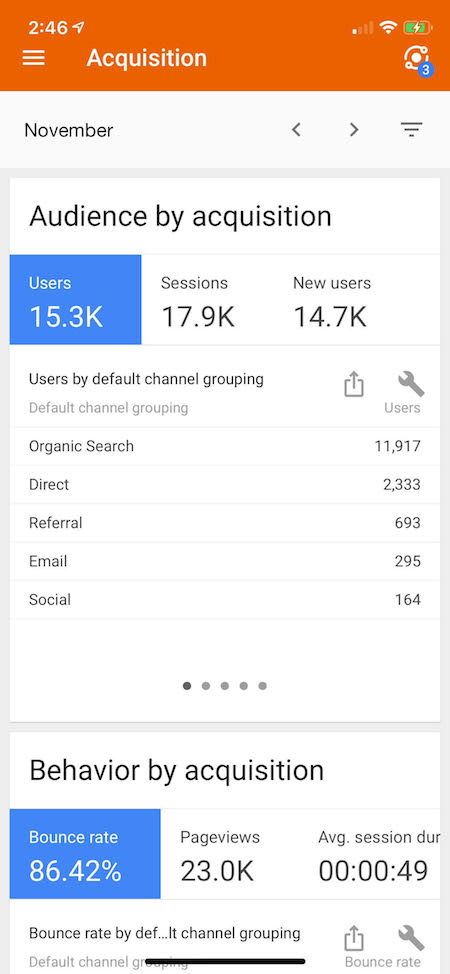
Eric’s generating over 15,300 unique visitors a month. That’s a lot of traffic considering Eric hasn’t even tried to grow the traffic to Growth Everywhere.

Best of all, you can generate similar results to Eric. But the key to doing this is interviewing people within your space so that way the traffic that comes to your site is relevant and over time those visitors will convert into customers.

If you don’t know how to start a podcast, watch this:

You could buy fancy equipment, but I would just use whatever’s built into your computer until you start seeing results from this tactic.

And if you really want to make your podcast popular, check this out.

Week #6: Become a rising star

Do you want to be a rising star? Well of course you do… who doesn’t?

Now you probably wondering, what the heck is a “rising star?”

Well, let me first start off with, Facebook groups.

Whatever industry you are in, whoever your ideal customers are… you can find them in a Facebook group.

Look for niche groups on Facebook related to the product or service you are selling. You want to join these groups as long as they have over 1,000 members.

You may also find groups that have over a million members. You’ll want to avoid these groups.

Focus on groups that are between 1,000 members and 17,000 members. Those groups are big enough to where you can generate traffic and small enough where you’ll be noticed.

What you’ll want to do is join a handful of groups and post 4 to 5 times in the group during your first month.

Assuming you are creating posts that are engaging in which people are responding and interacting with you, then you’ll get a rising star badge.
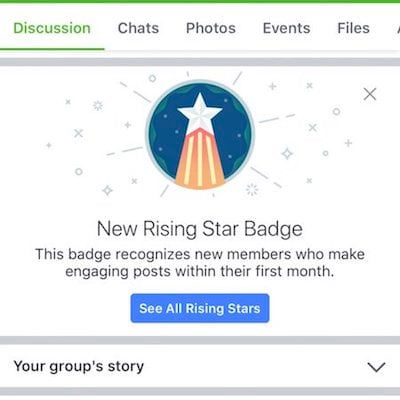
rising star

That means people are interacting with your posts. So then when you mention your product or service, you’ll find that not only will people see it, but they are going to head on over to your site.

The key with posting to Facebook groups is to create a high amount of comments and replies. If you just link out to your site you’ll get very few clicks and you will look like a spammer. Posting links and nothing more will get you banned from the group.

But if you link out within context or answer someone’s question with a link to your site or share something from your site that will help group members, you are much more likely to get clicks.

But if the content isn’t engaging and people don’t care to leave comments, you won’t see much traffic from your Facebook group.

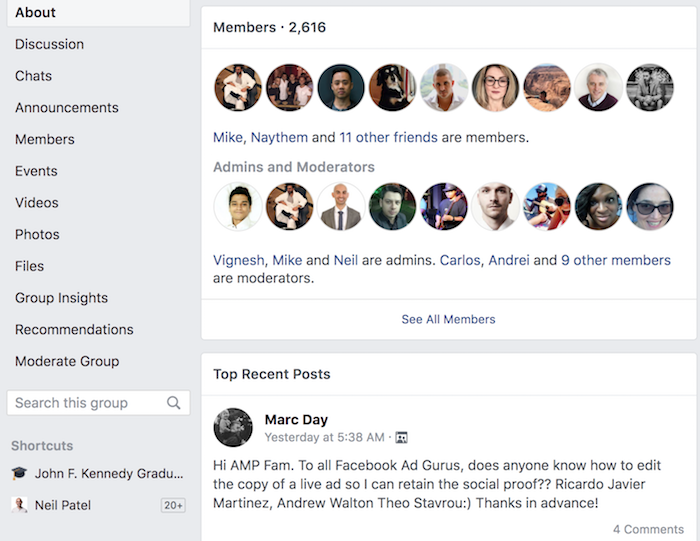
I have a private Facebook group with 2,616 members.
amp facebook

When you post something that is engaging, you’ll get featured as a “top recent post” and I’ve found with my 2,616 members I can generate 119 to 184 visitors when I post something that is super engaging that links to my site.

But instead of creating a group as I did, just join other popular groups. You’ll save a ton of time.

Week #7: Co-publish content

Have you ever thought about co-publishing content with other site owners? Even if you don’t have a huge audience, people will still love co-publishing content with you.

Why you may ask?

Well, they may have the audience, but they may be too busy to continually create new content.

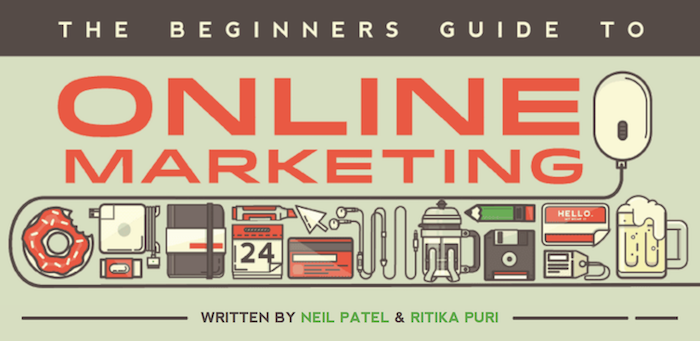
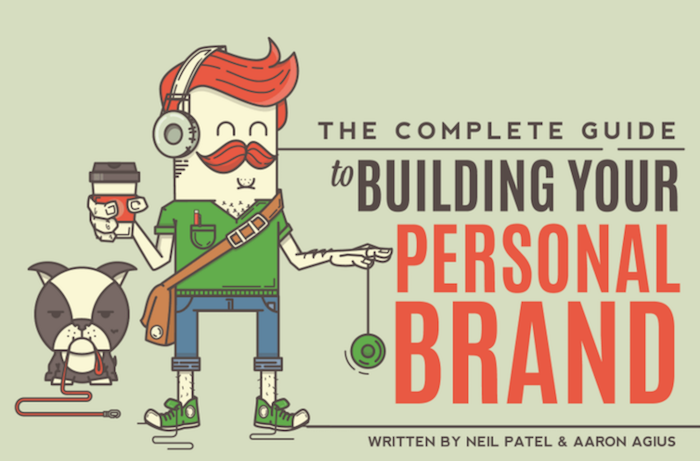
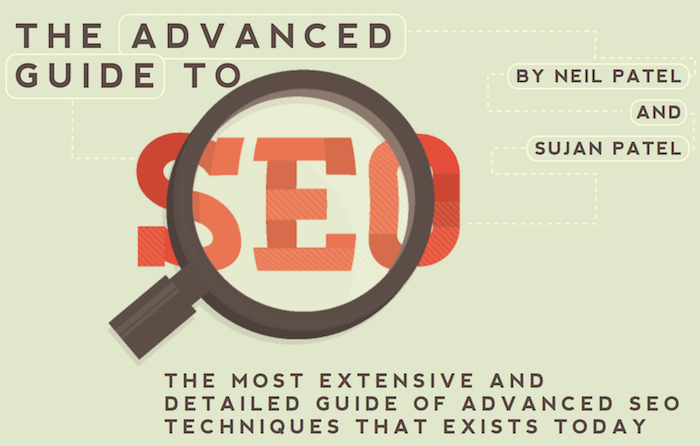
Just look at me… I co-published so many guides with other writers.
advanced seo

And…

online marketing guide

And…

personal branding

These writers got tons of exposure and did the majority of the work.

Over time, these guides have generated well over a million visitors. But I know they are time-consuming to create, and I’m not asking you to create guides.

Instead, you can co-publish blog posts together, record a webinar together, create a white paper, or anything else that you feel could be a good fit.

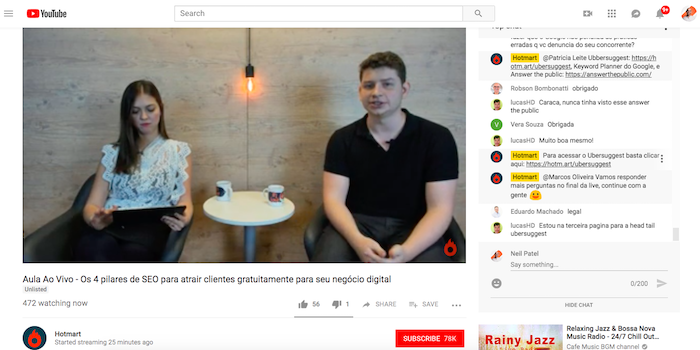
A good example of this is how my team co-published content together with a company called Hotmart in Brazil.

They wrote about Ubersuggest. They even co-published a video about SEO and, of course, my team mentioned Ubersuggest.
hotmart

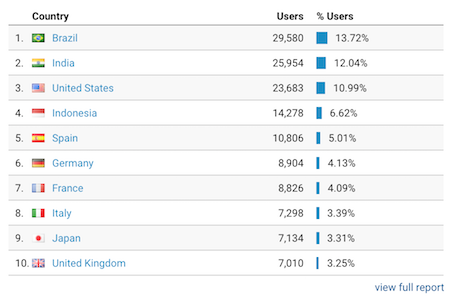
That helped make Brazil the most popular country when it comes to usage for Ubersuggest.
google analytics brazil

If you are going to try and co-publish content with others, make sure you are willing to do the majority of the work.

Hit up other sites within your space and make your offer. Let them know how they won’t have to do much work and, of course, mention what they’ll get out of it.

When you co-publish content, you can’t just talk about your company, you also have to talk about theirs.

Week #8: Product launches

Have you heard of Drift?

It’s a chatbot tool that a lot of people in sales and marketing use.

What I love about Drift is their Product Hunt strategy. Every time they release a new feature, they push it hard on Product Hunt.
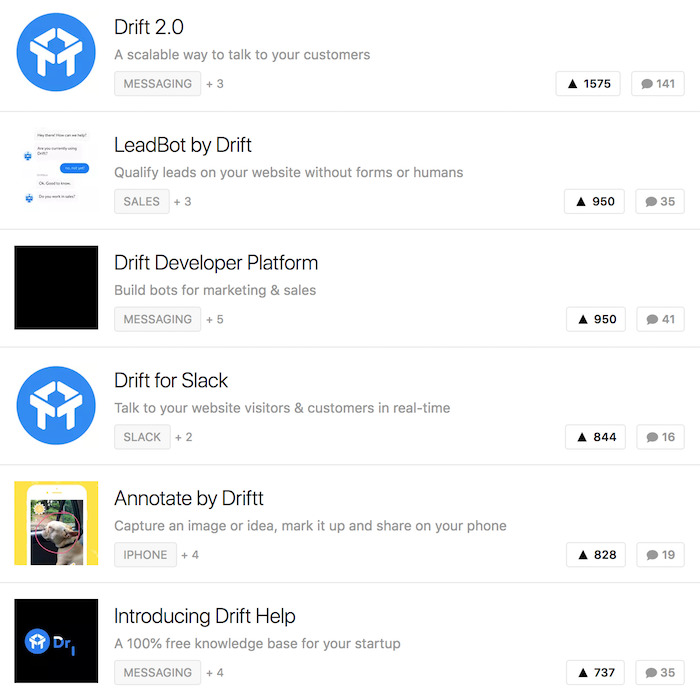
drift

You probably don’t have a ton of new feature releases as you have a brand new site but every time you have one you should consider pushing it out on Product Hunt or even a Sub-Reddit.

But for now, why can’t you launch your site on Product Hunt or on a Sub-Reddit?

Sure you site maybe live for a few weeks, but you haven’t announced it to the world yet. 🙂

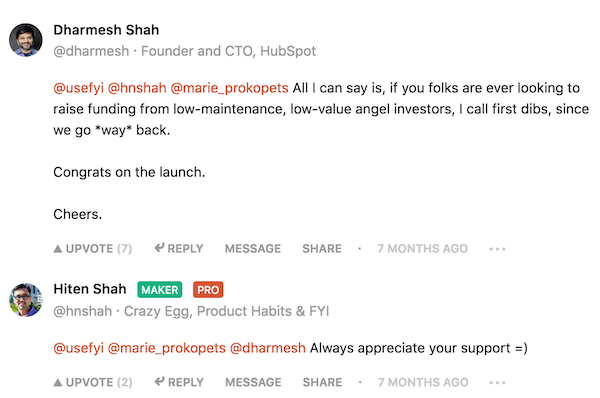
Product Hunt is super effective when it comes to traffic generation. When FYI launched via Product Hunt they got over 1,000 votes. It was so successful, the HubSpot co-founder even offered them funding.
hubspot product hunt

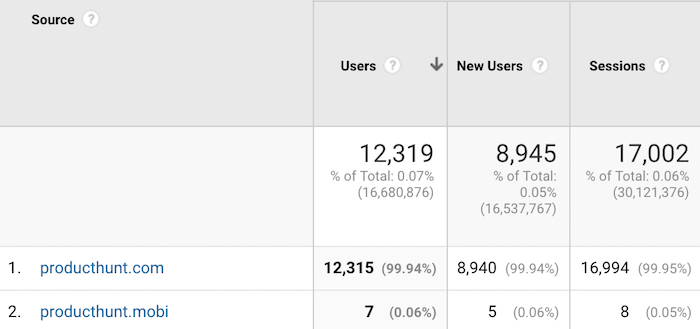
I did something similar with Ubersuggest. Every time I release a new feature, I announce it on Product Hunt. So far it has driven me 12,319 visitors.
product hunt uber

The key with doing well on Product Hunt is:

  • Get as many votes right when you release it… ideally within the first hour (so ask your friends and co-workers to vote)
  • Participate in the community before you submit your own site. Ideally, you want someone else to submit, but if you don’t know any active Product Hunt users, participate for a bit before you submit your own site.
  • Make sure you respond to every single comment as this helps with engagement.
  • Submit your site very early in the morning Pacific Standard Time. Product Hunt resets every night, so consider submitting it around 4 am Pacific Standard Time.

I know self-promotion might be a bit difficult for you when you are starting off but you need to embrace it. There is nothing wrong with pushing your own company… if you don’t, no one else will.

Week #9: The gram

Honestly, what do you think of Instagram?

Well, whether you like it or hate it, it is one of the most popular social networks out there. And influencer marketing is becoming one of the most effective promotion channels.

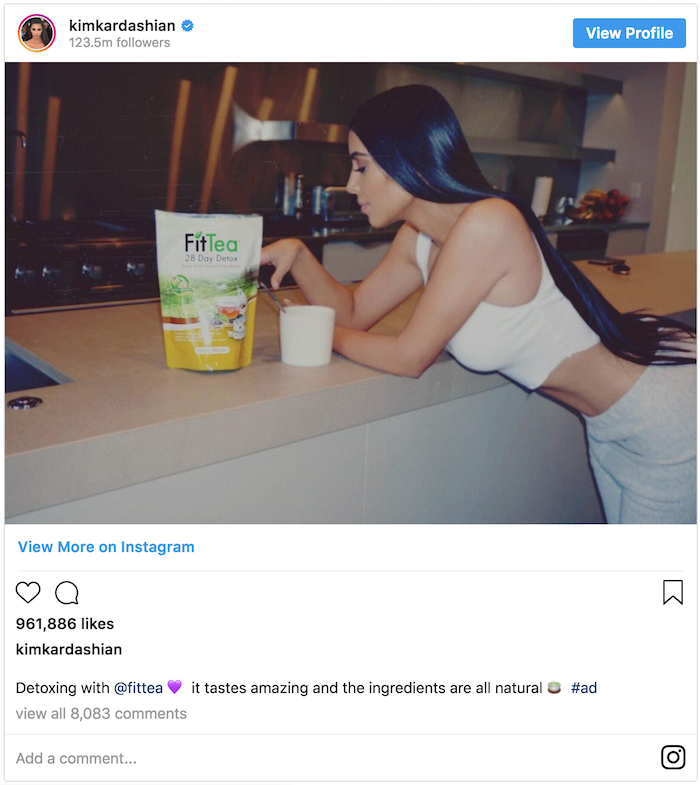
Anytime a Kardashian talks about a product, it flies right off the shelves.
fittea

That’s how companies like FitTea came out of nowhere and grew to 7 figures in revenue overnight.

I know what you are thinking: It’s going to be too expensive to pay Kim Kardashian to talk about your business. And you are right, it will be too expensive.

Heck, anyone who has over a million followers will try and charge you too much. Anyone with over 100,000 will also probably charge you too much.

Instead, I want you to look for micro-influencers who have at least 10,000 followers. Find people within your vertical who aren’t too popular but whose followers would be your ideal customer.

Now I want you to reach out to these influencers and offer them a bit of money to promote your product or service.

When it comes to making your offer, don’t pay them money for a post because it will be too expensive, pay them to create an Instagram story.

See, the moment someone hits 10,000 followers, Instagram enables the “swipe up” feature. This means they can tell their followers to swipe up to head over to any website. And in this case, they will be telling their followers to swipe up and head over to your website.

You’ll find that influencers will create a story for pennies on the dollar as it expires within 24 hours.

Typically, if someone has 10,000 to 20,000 followers, I am able to pay them a few hundred bucks for 3 stories over a 2 week period.

I prefer this over a post because this drives traffic to your site and you can track the number of sales you are generating from each campaign.

You can also leverage sites like Influence to find influencers.

A friend of mine, Timothy Sykes, does this often. He goes crazy and pays influencers with over a million followers to do this because he has been able to make each campaign profitable.

Typically, you find that 1% to 2% of the person’s followers will swipe up and head to your site, assuming the story is good. With this strategy, you won’t get a ton of visitors, but the visitors you do get are more likely to convert into customers as they’ve already been pitched during the story.

Week #10: Wikipedia

Have you ever thought about Wikipedia as a traffic source? I know I didn’t until I attended a marketing conference years ago and heard someone from Comedy Central speak.

This marketer was breaking down how Comedy Central gets millions of visitors a month, which isn’t shocking because it’s a popular television channel.

But what was shocking is how they broke down how they generate over 100,000 visitors a month from Wikipedia.

You heard me right, they get well over 100,000 visitors a month just from Wikipedia.

How’s that possible?

Well, they go in and modify Wikipedia articles and mention Comedy Central whenever it is relevant.

But before you go off and modify hundreds of Wikipedia articles, know that you won’t get the same result as Comedy Central.

It’s more realistic for you to generate a few hundred visitors a month… and maybe even work your way up to a few thousand visitors a month over time.

The key with editing Wikipedia articles is to first adjust tons of pages that aren’t about your website. It’s not just about linking to your site, it’s more so about providing value to the community.

So, during this week, I want you to adjust 12 to 15 articles. Once you do that you can then adjust any relevant ones to your business and include your own company when it makes sense.

Again you won’t get a ton of traffic from this, but you can easily get a few hundred visitors.

Here are the steps you need to follow if you want to edit articles on Wikipedia.

Week #11: Speak at a virtual summit

By now you should have some traffic coming to your site. It may not be a lot, but if you followed all of the steps above, your visitors should be highly qualified.

And now I want you to leverage those visitors to get you a speaking spot at a virtual summit.

Search Google for a virtual summit in your industry. You should be able to easily find one.

It doesn’t matter if they are charging people to attend the virtual summit or if they are giving tickets away for free. Offer yourself to speak and promote the event.

You’ll be shocked at how many people will say yes if you are willing to promote their event.

Remember, unlike a physical conference it doesn’t cost them much to add hundreds of speakers and keep the summit going for an extra day or two.

When speaking, be sure you can promote your company during your speech and you’ll notice that you’ll be able to generate some visitors and sales. But that’s not why I want you to speak at the virtual summit.

Instead, I want you to ask the host of the summit to share the attendee list with you. Assuming they have the right terms of service and privacy policies this shouldn’t be too much of an issue.

You’ll also have to make sure they aren’t breaking any GDPR rules.

What you’ll find is this is a common practice with most virtual events in which the speakers will promote the event and the virtual summit will share the attendee list with the speakers.

This will give you a list of super qualified people that you can promote your blog posts to or even your product and services.

Week #12: Scripts and tools

You know I love SEO and it’s an amazing long-term strategy. But to do well with SEO you need backlinks.

The more relevant sites linking to you, the better off you are going to be.

And as you get more backlinks, in the short run it will provide referral traffic. In the long run, it will cause your search traffic to skyrocket.

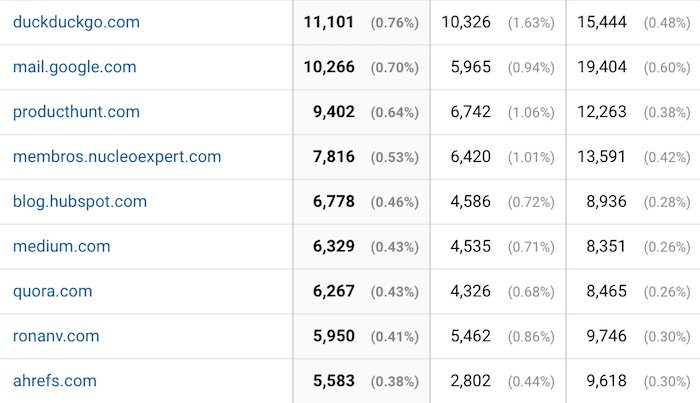
Just to show you how powerful referral traffic is, just look at my referral traffic:
referral traffic

Over time, all of those sites linking to you will start driving thousands of visitors.

So, what’s the best way to get more backlinks?

Well, you don’t want to buy them. And manual link building takes a long time and isn’t as effective as it used to be.

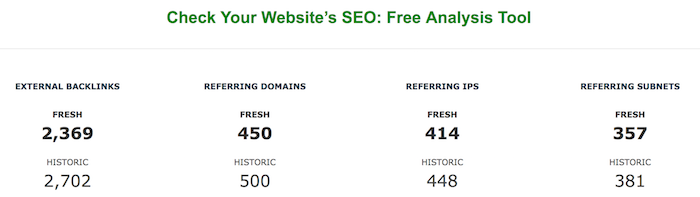
Instead, what you should do is release free tools, like how I released the SEO Analyzer years ago. And over time, it’s naturally produced 2,369 backlinks from 450 referring domains.
analyzer backlinks

Now, I know what you are thinking: building a free tool is expensive and time-consuming. But it doesn’t have to be. You can buy existing tools and put them on your website for pennies on the dollar. And over time, they will naturally get backlinks without you needing to do anything more.

For example, if you have a real estate website, you can always add a mortgage calculator to your website. And can you guess how much it would cost for you to add one to your site?

$13. That’s right, it only costs 13 bucks! How crazy is that!?

There’s a site called Code Canyon where you can buy tools for almost any industry.

You can use these tools as your own and put them on your site with a few clicks of a button.

Just head over to Code Canyon and perform some searches. You’ll quickly find some tools that can work for you.

Keep in mind that these tools won’t be 100% perfect compared to building your own tool. But that’s ok, you have to start somewhere. Plus, people will still link to your tool even if it isn’t perfect.

Conclusion

I know some of the tactics I mentioned above won’t drive you thousands of visitors right away but they can drive you hundreds. And hundreds of visitors is a great place to start!

And when you combine them over time, it will help you get thousands of visitors. You just have to be willing to perform all of the steps in each week… no matter how silly the tactic may appear.

More importantly, the tactics I broke down above will drive you visitors that convert into customers and leads. All you have to do is take the next 12 weeks and follow them.

It may seem like a lot of work at first, but you’ll get faster at them as time goes on.

So, what do you think about the tactics above? Are you already using them?

Google

Tuesday, December 18, 2018

My Secret Playbook: 28 Hacks Guaranteed to Grow Your Traffic and Sales

email marketing para windows 8

neil patel

Are you tired of algorithm updates?

Well, who isn’t?

From Facebook to Google, marketing is continually changing and getting harder. Even if you are willing to give these platforms money, it still doesn’t guarantee success.

You can experiment, run tests, but digital marketing isn’t as easy as it used to be. Years ago, when I started as an online entrepreneur, companies used to raise money to hire engineers and build infrastructure.

But nowadays, technology has become easy to build and companies like Amazon Web Services save you millions on infrastructure costs.

So, these days companies raise money for one main thing… can you guess what it is?

Marketing!

It’s become so much easier and cheaper to build companies that the majority of the money is spent on customer acquisition.

This is why marketing has become so competitive. But that shouldn’t stop you from succeeding, it just means you need to get creative in this ultra-competitive landscape.

So, to start you off… here are 28 digital marketing hacks that I still use and still work in today’s marketing landscape.

Hack #1: Video remarketing

The highest converting marketing tactic I have ever leveraged is to remarket everyone who visits my checkout page but does not convert. I then show them a video of what it would be like to be a customer… these videos appear on Facebook and YouTube.

For every dollar I spend, I typically am able to get a 17-20x return on my ad spend. If you are going to take away one thing from this post, start using this tactic.

Whether you are in B2B or B2C, this tactic works extremely well. Just keep your video to under 5 minutes in length.

Hack #2: Do the opposite

Most remarketing campaigns don’t work well because you are driving people back to the same page that they didn’t convert in the first place. So instead of doing that, when you are remarketing users, send them to a page that has the opposite pitch.

For example, if your original sales pitch was logical, try a landing page that leverages emotions instead of logic.

Just think of it this way, that person didn’t buy from you the first time for a reason. You need to show them something different if you want them to convert into a customer.

Hack #3: 2-step checkouts beat one step

From my experience, I am usually able to get a 9 to 11% lift by making my checkout pages 2 steps.

Whether it is an e-commerce site or a B2B lead generation site, 2 steps typically beat out 1 step.

It’s counter-intuitive but once someone gives you their name and email, they are more likely to give you the rest of their information because they’ve already started the process. You can also email everyone who didn’t complete the registration process and convert some of those people.

If you have a strong brand like Nike or Amazon, this doesn’t matter as much. But if you don’t, which is more likely your case, use a 2-step checkout page. Whether it is a lead generation page or an e-commerce checkout page, use a 2-step.

Hack #4: Don’t forget sidebar links

Within your blog, link to your cornerstone content within your sidebar on every page. And I literally mean every page of your blog.

You don’t have to make the links rich in anchor text… but this one little thing will give more juice to your cornerstone content.

And within a year of doing this, those pages will shoot up to the top of Google for competitive terms. This is how I rank for terms like “Google AdWords” on page 1.

Hack #5: Blend in keywords from Google Suggest

If you are already ranking for popular terms, take them and put them into Ubersuggest.

It will provide a list of long-tail phrases that people search for. Integrate those keywords (at least the ones that are related) into the same page that ranks for the main head phrase.

This one little hack will increase the traffic to your most popular pages within 30 to 60 days.

Just be careful when using this tactic because you can’t keyword stuff. You need to adjust the content to also be relevant to the long-tail phrases if you want this hack to work.

Hack #6: Don’t stop with email

Email marketing is something that most blogs and sites leverage. If you add in push notifications and you add in chatbots, however, you’ll double up the traffic you were getting from email.

In other words, if emails drive you 1,000 visitors a month, push and chatbots combined should also drive you at least another 1,000 visitors a month.

You also find that push notifications and chatbot notifications generate higher click-through rates than email, but they also receive substantially more unsubscribes.

So, the next time you are sending out an email, don’t forget to also send out that same message to your push notification and chatbot list.

Hack #7: Brand queries is the fastest way to increase rankings

No matter which industry you are going after, the more people that type in your brand name into Google and click on your site, the faster your rankings will climb.

And not just your rankings for brand related terms, more so for all of your terms.

If you want to boost your brand queries, you have to do crazy PR stunts. Companies like PRserve do them on a performance basis.

You can also monitor if the PR stunts are working by typing your brand name into Google Trends. This one trick helped me rank on page 1 for the term “online marketing.”

If you are successful with this strategy, you should see results within 2 or 3 months.

Hack #8: YouTube only cares about the first 24 hours

If you want to do well on YouTube, your video needs to do well in the first 24 hours. It’s the opposite of traditional SEO. On YouTube, you’ll rank right away and get tons of traffic if you can make sure the first 24 hours are successful.

Every time you release a video, promote it to your email list, push notification list, and messenger bot list. It’s a great way to ensure your video does well.

Hack #9: Facebook loves comments

One of the largest parts about Facebook’s algorithm is how many comments you generate. The more comments you generate the more views your videos will get and the more reach your status updates and posts will get.

Asking people to leave a simple comment helps more than a like or share.

For example, in a video, I may ask the question of… “Do you use voice search? If you do, leave a comment with yes and if you don’t, leave a comment with no.” It doesn’t matter what people type as their comment, but this is the easiest way to ensure you get 2 to 3 times more reach from Facebook’s algorithm.

I’ve tested this a handful of times and the key is to make it easy for your fans to leave a comment. If you ask them to type up a sentence or a paragraph, you’ll get fewer comments.

Hack #10: Adding the year to your title tag increases CTR

If a lot of your traffic is generating from your blog, the easiest way to boost your rankings is by getting a better click-through-rate than all of the other listings.

Adding the year in your title tag lets people know your content is up to date and relevant and typically it helps get more clicks than anything else.

For example, the title “The Complete List of SEO Tools (Updated in 2018)” would do better than “The Complete List of SEO Tools”.

Another example that worked well was, “How to Start a Blog in 2019.” That generated way more clicks as people want to know how to start a blog in today’s competitive environment.

On the flip side, if you add a year to your title tag and your content is old and outdated, you will get a lot of bounce backs, which means your rankings will go down. So be careful when using this hack.

Hack #11: Don’t put dates in your URL

A lot of bloggers and site owners put dates in their URL in hopes that news sites will crawl them.

Don’t do this!

I removed the dates in my URLs and my search traffic went up 58%. It was the easiest and dumbest marketing win I ever got. When I removed the date in my URLs, it took 30 days to see the results.

And if you leverage this hack, make sure you use 301 redirects and you update all of your internal links to the new URL.

Hack #12: Subdirectories over subdomains

People love using subdomains, but Google passes more juice to subfolders. When I changed blog.crazyegg.com to crazyegg.com/blog, I saw an instant 11% increase in search traffic.

Now, it didn’t happen overnight, but it was close enough… I saw the results within 7 days. Same when I moved the blog on TimothySykes.com into a subfolder.

If you are going to use this hack, you also need to change your internal links to the new URL and, of course, 301 redirect the old URLs to the new ones.

Hack #13: Hreflang works better with subdomains

I know above I said subdirectories work better than subdomains, but that is not true when you are translating your content into different languages.

For example, if you are expanding your website into Portuguese for Brazil you are better off creating URL structure that is br.yourdomain.com than youdomain.com/br/.

I need to fix this on NeilPatel.com still, but when I tested this on 2 other sites that focused on the global market, one saw a 17% increase in international search traffic within 3 months and the other saw a 23% increase in international search traffic within 3 months.

Hack #14: Start with the Link Intersect

Links still matter when it comes to SEO. And it will for a very long time because it is becoming harder to build them.

The easiest way to build them is by using the Link Intersect feature by Ahrefs. What this Ahrefs feature does is it shows you everyone who links to your competitors but not you.

If someone is linking to 3 or 4 of your competitors, this tells you that they don’t mind linking out and there is a good chance you can get them to link to you.

Hack #15: It’s easier to build up a personal brand

From social profiles to blog traffic, people relate more to personal brands than they relate to corporate brands.

If you want more followers on your social profiles and you want to quickly grow your traffic fast, make everything around a personal brand.

But keep in mind, a personal brand is harder to sell and grow into a multi-billion dollar company.

Hack #16: The best way to get podcast listeners is through an exit popup

If you want more listeners for your podcast, the best way is to add an exit popup to your mobile site.

And on your mobile exit popup, ask people to subscribe to your podcast. Don’t use the same exit popup for all mobile devices, you should be sending people who use iPhones to the iTunes Store and people using Android to their version of the iTunes store.

Keep in mind that showing an exit popup on mobile devices is irritating, so wait at least 30 seconds before you show mobile users an exit popup.

Hack #17: LinkedIn prefers video

If you want to get the most attention from LinkedIn, upload videos instead of text-based content. Videos on LinkedIn get 2 to 3 times more engagement than text.

So, if you want more traffic from LinkedIn, upload videos.

And if you want more traffic from any social network, look to see what type of content they are lacking. If you provide them with that type of content, you’ll notice that your traffic will go up.

Hack #18: Journies and courses convert better than ebooks

Typically, most people offer ebooks in exchange for an email. And although it is more effective to give away an ebook in exchange for an email address than it is to ask people to opt into your newsletter, it still isn’t the best strategy.

If you offer a 30-day course or if you offer a journey, you’ll generate more email subscribers.

A good example of a 30-day course is, “30-Day Free Course: Double Your Traffic in 30 Days.” A good example of a journey is, “Follow My Journey to $100,000, I Am Learning a Lot and So Will You.”

Hack #19: Buying sites is cheaper than buying traffic

If you know certain pay-per-click terms convert extremely well, why not just buy a site that already ranks for all of those terms.

That’s what I did when I recently spent $500,000. I bought a website that already has traffic.

If you buy a site that already has the traffic, keep in mind that the traffic won’t convert as well as paid traffic.

With paid traffic, you are able to control your landing page more, limit the amount of text, and optimize for conversions. Nonetheless, it is still worth buying sites who already have your audience.

Hack #20: Quizzes collect more leads than lead forms

Most people collect leads by asking people to fill out lead forms. It’s not as effective as collecting leads through quizzes.

Here is a good example of this.

When I converted my lead form pages into a quiz, I increased my lead count by 281%.

If you don’t know how to create a lead generation quiz, you can always use tools like Lead Quizzes.

Hack #21: Tools generate more traffic than content marketing

The upfront cost is higher, but the long-term cost is significantly less.

For example, when I created the SEO Analyzer I put in around $25,000 in money and another $1,800 each month for hosting, but it consistently brings in 73,201 visitors a month.

Ubersuggest costs me more, but it brings in 492,394 visitors a month.

In general, tools are easier to maintain and are more affordable in the long run for how many visitors they generate.

Hack #22: Send paid traffic to content first

Marketing is like dating. You can’t expect to send cold traffic to a product or service and expect people to buy a high-ticket item.

You’ll find that paid advertising is much more effective and affordable for selling high ticket items if you send people to an educational piece of content such as a blog post. And then remarketing those visitors and then driving them to your product or service.

In the long run, this is cheaper if you are selling products for above $500 and it is more effective as paid ads to content are cheaper than paid ads to landing pages.

Hack #23: Facebook Info and Ads

Are you struggling to run Facebook Ads that convert and are profitable when you know your competitors are crushing it on Facebook? Well, struggle no more.

Go to your competitor’s fan page and in the left navigation bar click on “info and ads.” This will show you all of the ads that your competition is currently running.

Now when you create Facebook ads, start off by running similar ads to your competition. This will give you the best shot at success.

Hack #24: Respond to comments with a question

As I broke down in hack number 9, Facebook loves comments.

Another simple hack, which works for Facebook and every other social network, is to respond to comments answering their question and of course also asking another question.

This keeps the momentum going and it causes a portion of the people who left a comment to come back and leave another comment.

By doing this on Facebook, Instagram, YouTube, and LinkedIn, you will find yourself getting more reach for every single thing you share on each of those networks.

I know this hack sounds dumb, but it works really well and no one leverages it.

Hack #25: Don’t forget about the AMP framework

No one talks about Google’s AMP framework, but it is a simple way to get more mobile traffic.

If you are targeting traffic from the United States or even most parts of Europe like the UK or Germany, the AMP framework won’t give you a lift in traffic.

But if you are also targeting international markets where their infrastructure isn’t as great, AMP framework will give you a boost in search traffic.

For example, when I rolled out the AMP pages in Brazil, I got a 28% increase in mobile search traffic.

For markets where their infrastructure isn’t as developed and people rely on mobile devices, enabling the AMP framework will typically give you a 20 to 30% boost in mobile search traffic for those regions.

Hack #26: Webinars are the best way to sell ebooks and courses

If you want to monetize your blog, the best way is usually selling ebooks and courses. But driving people to a sales page to sell an ebook isn’t too effective.

Instead, if you create a webinar and then sell a $497 or $997 ebook/course, it is much more effective.

It’s so effective, in fact, that I am able to get 3.6 sales for every 100 webinar registrations. This video will teach you how to do it step-by-step.

Hack #27: Order bumps don’t hurt conversions, they help increase revenue

On your checkout page, you don’t just want people to buy, you want them to spend more money.

The easiest way to generate more revenue from each customer, without reducing your conversion rate, is order bumps.

As long as you make your order bump a really good deal, it can typically add $5 to $15 to every purchase on average.

If you don’t have an order bump, you should create one right away.

Hack #28: Share your content over and over again

You spend all of this time writing content, but then you spend very little time promoting it.

What most people do is write content and then share it on all of their social profiles. A few people send out email blasts notifying people about their content, which you should also do.

But if you want to double your social traffic, what I do is share the same piece of content 6 times throughout the next 12 months. In other words, retweet that content 6 times. Share the same post on LinkedIn a few times over the next 12 months.

As for Facebook, sharing the same URL over and over again doesn’t work, but the other social networks are fine with this.

This one simple hack has doubled the amount of traffic I get from social sites on a monthly basis. Best of all, no one really complains as the majority of your social connects won’t see the content the first time you post it.

Conclusion

I know some of the hacks I mentioned above seem simple, but they work. And if I had to bet you a dollar, you don’t do most of those “simple” hacks.

No matter what vertical you are marketing in, it’s competitive. You aren’t going to find one hack that’ll drastically increase your traffic. You’ll find that you need to do a lot of little things.

But don’t take them for granted because all of those little things add up to a massive amount of traffic over time.

What other hacks do you leverage to increase traffic and sales?

Youtobe

Tuesday, December 11, 2018

How to Dominate Google in 2019

email marketing list building

google

You’ve already experienced it… SEO is becoming harder and harder.

As time goes on, it takes longer to rank and you have to spend more money to get the results you want.

But the reality is, you can’t wait forever to get results. And you have no choice but to leverage SEO as a tactic because everyone else is doing it.

So, what should you do?

Well, the first thing you need to do is adjust how you think about SEO. SEO isn’t only about rankings. To be honest, I don’t even track them for my own site. It’s about getting the right kind of traffic.

You know, the visitors who are ready to buy.

So, instead of teaching you how to rank for competitive head terms, which is going to be even more difficult in 2019, I’m going to break down a formula that will give you much faster results and sales in this ultra-competitive environment.

And best of all, I am going to break it down into 4 steps as I know you don’t have the time to do everything.

Here’s the 4-step SEO strategy you should follow in 2019:

Step #1: Attract customers before they are ready to buy

The most expensive keywords to go after are buyer intent keywords. You know, the ones where someone types in a keyword and is ready to spend money right then and there.

And that will always be the case. Not just from an SEO standpoint, but even a pay per click standpoint.

So, what should you do… not go after these lucrative keywords?

Of course not. More so, you have to go after them no matter how long it takes to rank. You just have to be patient.

But in the short run, there are other keywords you can go after that aren’t as competitive and don’t cause a sale right away. But they do cause a sale to happen… it just takes a few weeks from when that person first lands on your site to when they buy.

So how do you find the keywords that aren’t as competitive and cause people to buy (as long as you are willing to be patient)?

You use Google Correlate.

Here’s how it works…

Let’s say you are selling beard oil but you know the term is competitive and will take you a lot longer to rank for than you have.

So what do you do?

With Google Correlate, it will show you all of the terms people search for in Google before they search for the term “beard oil.”

In other words, these are the same people who buy beard oil products… but now you are going to attract them to your site before they are even ready to buy.

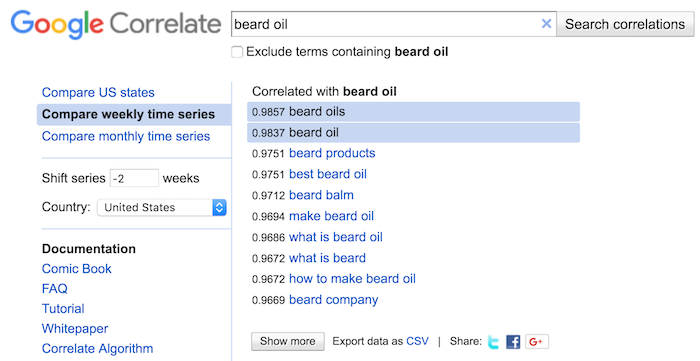
Type in “beard oil” or the term you want to rank for in Google Correlate. Then, shift series to -2 weeks, which means you will be given a list of terms people search for 2 weeks before they are likely to type in “beard oil.”

And then you will get a list of terms:

google correlate

As you can see from the image above, people type in terms like beard products, best beard oil, beard balm, what is beard oil, and how to make beard oil.

If you write blog content that is super in depth about those phrases, you’ll appeal to people who also search for beard oil.

The cool part about Google Correlate is it works differently than Google Suggest or any other keyword tool because they are showing you what people search for before they are ready to buy.

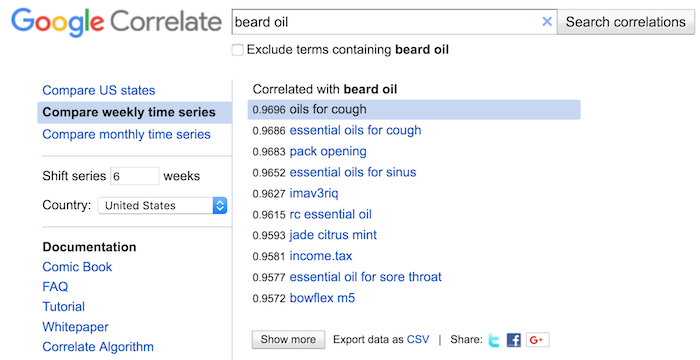
And similar to how you put in -2 weeks as the shift series, you can turn it into a positive number and see what people search for weeks after looking up beard oil:

positive

You’ll notice a lot of people who search for beard oil search for oils related to coughs.

Most people who sell beard oil probably don’t think about offering oils for coughing, but it is a similar audience and it’s a great way for you to generate extra revenue from the customer base you already have.

Step #2: Land and expand

Everyone focuses on ranking for new terms. But there is an issue, it’s hard to rank for new terms.

Even though SEO has a huge ROI, it’s a strategy that requires patience.

But here is the thing, you can get results faster if you use the land and expand strategy.

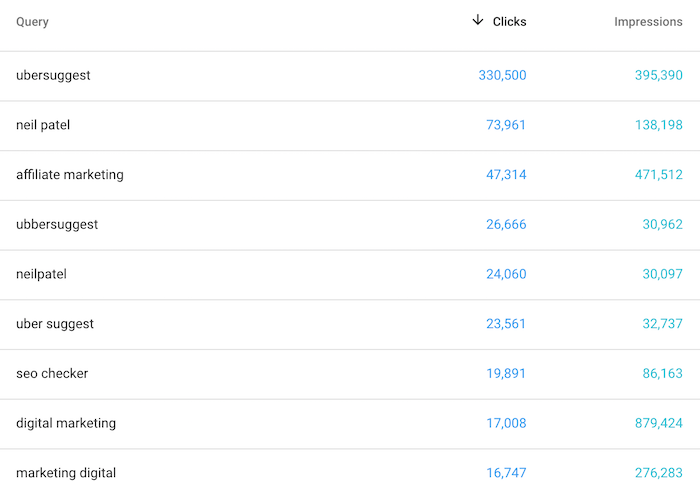
Here’s how it works. Log into Google Search Console. Next, click on “performance” and you will see a list of terms that you currently rank for:

search console keywords

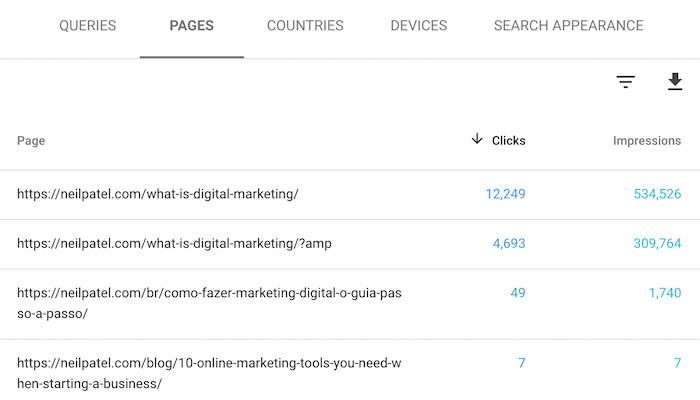
Then I want you to click on one of the most popular terms you already rank for and then click on pages. You should see a report that shows you the URL that ranks for the term on Google. You need this URL because you will be modifying this page.

search console pages

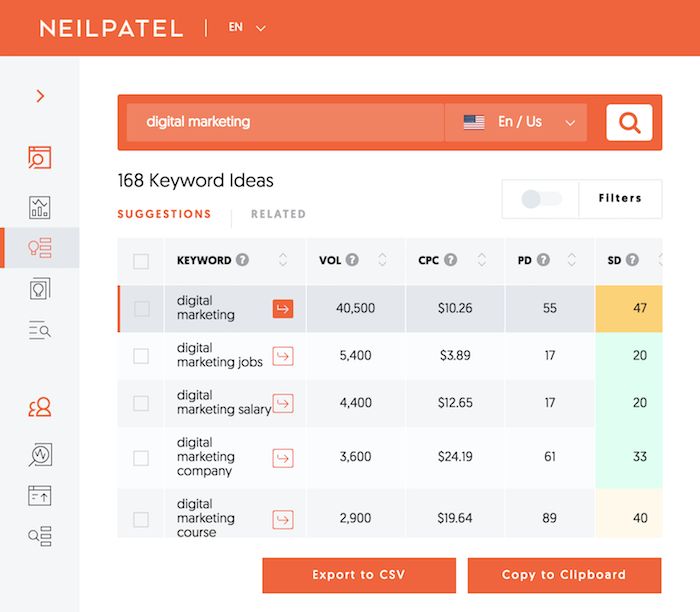
Now I want you to take that term and put it into Ubersuggest. Once the report loads, click on “Keyword Ideas” in the navigation. You’ll see a report that will look something like this:

ubersuggest keywords

You’ll see a laundry list of long tail phrases… I want you to take the ones that are buyer intent related and add them to the page that already ranks for the head term.

When adding the long tail phrases, make sure you adjust your content to be relevant to those keywords. And pick the ones that are highly related to your product or service. Just stuffing them into your page without adjusting the content is spammy and won’t provide a good user experience to searchers.

What you will find is that because you are already ranking for the head term, typically you will shoot to page one within 30 to 60 days for the long-tail variation by adjusting your content. It’s a quick win!

But the key to this strategy is to pick the right longtail keywords. Don’t just look at traffic numbers, focus on terms that you know will cause a sale or a lead.

Step #3: Build a brand

Google has been placing more emphasis on brands. In other words, if you have a strong brand, you’ll rank faster.

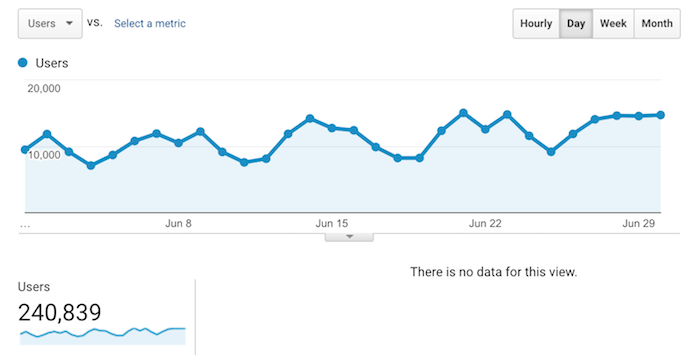
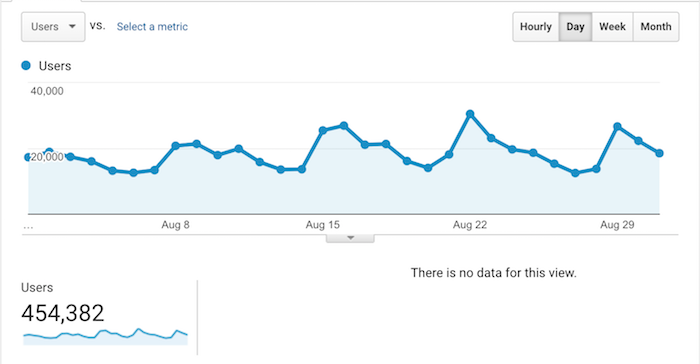
When I really started focusing on brand building, my traffic went from 240,839 in June 2016:

june traffic

To 454,382 in August 2016:

aug traffic

As the Ex-CEO of Google said:

Brands are the solution, not the problem. Brands are how you sort out the cesspool.

In other words, if you want to succeed on Google in the long run, you have to build a brand. As your brand grows, your search traffic will as well.

The way to monitor your brand growth is Google Trends. Type in your brand name into Google Trends as well as a few of your competitors to see how you are stacking up.

google trends

Sadly, there isn’t a quick hack to skyrocket your brand. There is, however, a formula that works for both personal and corporate brands.

So, what is the formula?

You do something that is bold!

Sure people can tell you to blog, speak at conferences, run ads… but none of that helps you build a brand that has a loyal following because everyone else is already doing the same things (or trying at least).

But what your competition isn’t doing is being bold. If you want a brand like Tony Robbins or Apple, bold is the way to go.

So how do you do something that is bold?

Well, lets first start with a personal brand (although I recommend that you build a corporate one instead).

Do the opposite

When it comes to building a personal brand, you’ll have to take the opposite approach of most people in your space. Whatever is working for them won’t work for you.

No one cares for the copycat, especially when they are satisfied with the original solution.

In other words, if you do exactly what your competitor is doing no one will care to follow you.

Let me give you examples of how to do the opposite of your competition:

  • Genuinely help people – a lot of people blog and participate on the social web, but how many people take the time to respond to their community? As far as I can tell, less than 1%. Just look at me. For years, I’ve responded to comments on my blog, Facebook, and even YouTube. I am so engaged with my community on LinkedIn that they honored me as one of their Top Voices of 2018! Most people are too lazy to do this… doing the opposite has helped me build a connection with you. And if you are wondering why I do this it’s because when I started out I had no money and people helped me. I’m just trying to do the same.
  • Writing 10x content – when I got into blogging, everyone was doing it. So I had to find a way to separate myself. I did this by writing in-depth guides… not those 5,000-word blog posts, I am talking about 30,000-word guides. On top of that, I spent money on the design so they would look beautiful.
  • Creating video content – when I got into the digital marketing community, there were already large conferences that had thousands of attendees. I thought speaking at all of them would help my brand… and they did to some extent, but I was just another speaker. But very few people in my space were creating video content… so now instead of giving speeches at conferences, I give them on YouTube, Facebook, and LinkedIn. I’m able to reach more people without having to travel and the content lives on forever (and is available for free to everyone!).

That’s how I stood out from my competition and built a personal brand. And then I did it for years as brands aren’t built overnight.

If you aren’t sure on how to do the opposite of your competition when it comes to your personal brand leave a comment and I’ll try and give you some ideas.

Now let’s go into building a brand for your company… It all comes down to one thing…

Be bold

No matter what you are selling online you have competition. It doesn’t matter if you are a B2B or a B2C business… you have competition, which means it is going to be hard for your brand to stand out.

So, how do you differentiate yourself?

You do so by being bold.

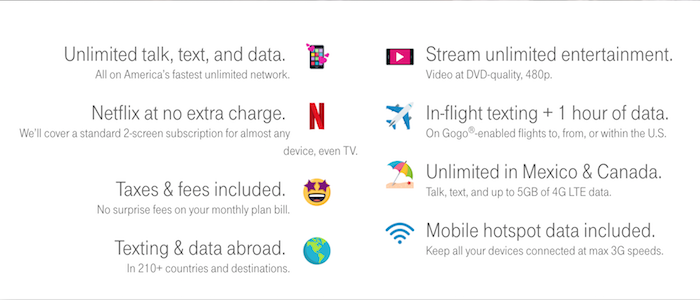
Let me give you an example. In the United States, there are tons of options when it comes to cell phone carriers. So how do you stand out when everyone offers the same phone and competitive pricing?

Well, T-Mobile separated themselves by offering free Netflix, unlimited data, and free roaming.

tmobile

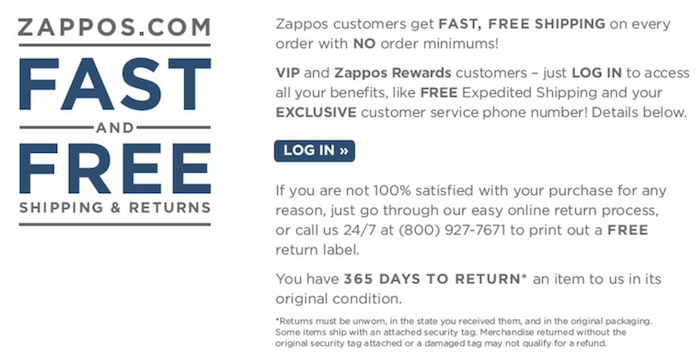
And you don’t have to be a big company to do something bold. When Zappos started selling shoes they decided to do a few things different. First, they offered a refund policy that lasted 1 year. Just think about that… if you return a shoe to them 12 months later, the chances are it’s out of style and they won’t be able to resell it.

zappos

Then they decided to randomly upgrade their shipping. So instead of ground shipping, they would randomly upgrade you to 2-day or next-day air.

And Amazon crushed their competition the moment they rolled out their Prime program. When it first came out, you would get free 2-day shipping on all Prime products for just $99 a year. What a ridiculously amazing offer.

Now that’s being bold!

Being bold doesn’t have to break your bank account. You don’t have to do something like Amazon and T-Mobile… it can be as simple as providing amazing customer service when you are in an industry that’s known for terrible support.

If you are unsure of how you can be bold with your business, leave a comment and I will try and give you some ideas. Make sure you provide an overview of your business so I can give you halfway decent ideas. 😉

And of course, being bold won’t build your brand overnight (it takes years) but you should see growth each quarter. If you aren’t, that means you aren’t being bold enough.

Step #4: Build a better mousetrap

A mousetrap? Why would you want to build a mousetrap?

Link building is still important. Sure, Google is looking at many other factors now, but link building still helps with rankings.

But it is harder to build links than it used to be back in the day. Everyone is blogging… heck, there are over 440 million blogs and over a billion if you count Tumblr, Medium, and WordPress.com.

Yes, that means there are more sites to hit up and ask for a link but everyone is doing that.

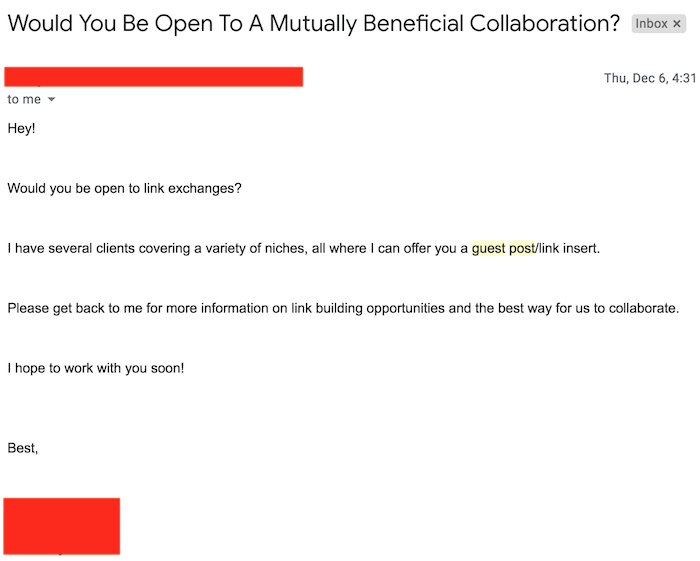
So how do you build links when everyone is getting those spammy emails asking for a link, such as the one below?

spammy links

You have to build a better mousetrap. Something so amazing that everyone wants to link to it without you asking for a link.

It used to be detailed guides but seeing 10,000-word guides that have fancy designs are more common these days than when I started creating them.

They still work, especially when it comes to brand building, but they just aren’t as effective when it comes to link building.

Same with infographics, they used to get tons of social shares and links (they still do to some extent), but they aren’t as effective as they used to be.

So what kind of mousetrap do you need to build? You could start off with something that people are used to paying for.

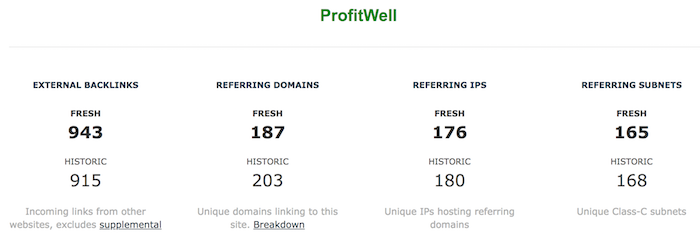
For example, the consulting firm Price Intelligently released a free analytics software called ProfitWell.

With very little marketing, they were able to generate 943 backlinks from 187 domains.

profitwell

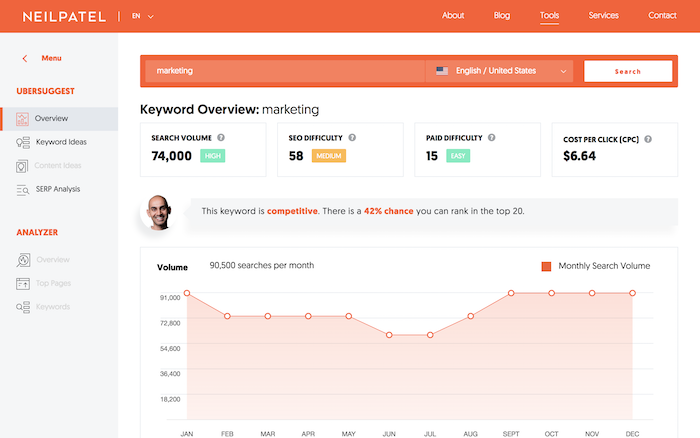
I also did this with Ubersuggest.

ubersuggest tool

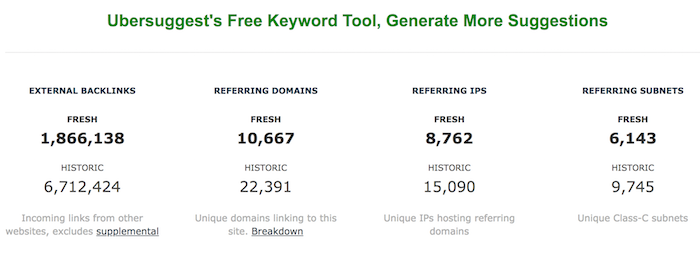
I put in more effort into marketing, so I was able to generate 10,667 unique backlinks.

ubersuggest links

A great example in the consumer space (this would do wonders for e-commerce sites as well) is animated infographics. Everyone has seen infographics, so Aminagraffs decided to make their infographics animated, which caused them to go viral.

Here’s part of their infographic that breaks down how a car motor works.

car motor

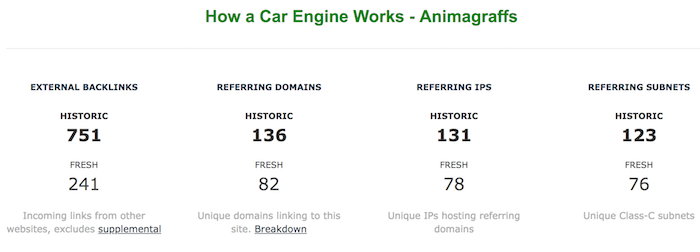
Best of all, the Amimagraphs founder didn’t do any marketing… the graphic just spread. Even with no marketing, it generated 751 backlinks from 136 domains and over 200,000 visitors.

car backlinks

If you want to use old-school link building tactics, you can, they just won’t help you as much in 2019. So, get creative and build a better mousetrap.

When you build a good mousetrap, you may be worried about cost. But there is a different way to think about it…

How much would you be spending on marketing to get the same results?

People make fun of me for what I am doing with Ubersuggest and think it is silly that I can “lose” $150,000 or so a month. But if I had to buy the traffic that I get because of Ubersuggest it would cost me much more than $150,000. Even though my mousetrap is expensive, it is still cheaper than paid ads.

And you don’t have to go as far as me. Doing what Animagraffs is affordable. I paid them $750 to create an animated infographic for me. I’m not sure what they charge these days, but I bet you can find someone on the web who will do it for a few hundred bucks.

Conclusion

Instead of thinking of SEO in the traditional sense, I want you to shift your strategy.

SEO is only going to get harder, Google is going to continually change their algorithm in ways you may not like, but the one thing that is certain is the old way of doing SEO will get you results, just not in the timeframe you want.

So, follow the 4 steps above. They are unconventional, but the industry is so competitive and saturated that you have no choice but to think outside of the box.

So what other unique strategies are you going to leverage in 2019?

Google

Wednesday, December 5, 2018

6 Technical SEO Factors You Can't Afford to Get Wrong

email marketing tutorial 2016

A lot of work goes into optimizing a website to rank well in search engine results. Everything from the way a website is built to the colors of the text can have an impact on your final SERP ranking. We tend to break these factors into categories: on-page, off-page, semantic, user experience, domain authority, etc., etc., ad nauseam.

Google

Tuesday, December 4, 2018

Why Being the Loudest Makes You the Weakest

email marketing 2017 trends

ferrari

What’s one thing that you are constantly seeing on the web? Especially if you are on Instagram, Facebook, and YouTube?

Come on, take a guess…

No, I am not talking about people taking half-naked selfies of themselves or posting their lunches. I’m talking about people showing off. From taking pictures of their cars or money and even their homes to standing in front of private jets and yachts.

You know… one of those images like the one above. And if you are wondering, that isn’t my car. A friend took that picture of me when I was at the race track… heck I don’t even drive anymore (or have any more hair!).

But do you want to know a little secret?

The loudest one in the room is the weakest one in the room

Now, I didn’t come up with that quote. It’s from the movie American Gangster that stars Denzel Washington.

But sadly, that doesn’t stop people from taking advice from all of the “loud” marketers our there showing off.

But I’ll let you on in a little secret…

People who really have money don’t need to run ads showing off how much cash they have and they surely don’t care what others think about them.

I learned this from my parents, as well as a few other valuable things.

So what did my parents teach me?

I didn’t grow up with money, and I didn’t have rich parents. My first job was picking up trash, cleaning restrooms, and sweeping up vomit at a theme park.

knotts berry farm

And I don’t want anyone to feel sorry for me either. My life wasn’t bad at all. I didn’t grow up poor either.

My parents worked really hard as immigrants and eventually, they were able to provide a middle-class lifestyle for me and my sister.

But as I was growing up, my parents taught me that showing off only draws more attention and causes problems.

That’s why I don’t have “lifestyle” photos of myself. Heck, I don’t really even talk much about my personal life as I prefer to keep things private… as much as possible at least. That’s the main reason I don’t use Instagram.

See, when I was growing up, I was thankful for whatever I had.

tinas day care car

When I was growing up, that’s the car my parents gave me to drive. Luckily for me, my parents were generous enough not to make me pay for the car or even the gas.

Sure, the car had a sticker in the back window promoting my mom’s daycare business at the time, but I didn’t mind. When I would go to business meetings people would make fun of me but that didn’t bother me either.

Want to know why? I had a free car. 🙂

I took a business meeting in Bel Air once, which was a far drive from my parents’ house. When the meeting ended, I was one of the first people to give the valet my ticket. I remember people kept coming after me with their ticket and everyone got their cars before me.

I get it… I was driving a beat-up Honda Civic with a “Tina’s Day Care” sticker on the back.

This experience, as well as a few more similar ones, taught me that people make assumptions based on appearances.

And that’s what you are doing when it comes to getting marketing and entrepreneurship advice.

Don’t believe me?

I know what you are thinking… “no Neil, I don’t believe those ads on YouTube of people showing off their homes and fancy cars.”

And I know you don’t believe them because they are running ads or selling get rich quick products. But let me ask you a question.

Who would you rather take advice from?

A random kid who does magic tricks for fun, barely has any money, and is telling you how to grow your website traffic…

OR…

Someone who lives in a multi-million-dollar house, drives a Ferrari, and is wearing a $20,000 watch.

I bet you are going to take advice from the person with a fancy car over the kid. And that’s where a lot of marketers and entrepreneurs go wrong.

In an ideal world, you should hear both of them out and pick the advice that’s most relevant to you.

Just like how I met up with the kid who does magic tricks because he was an up and coming SEO and there’s always a chance that he can teach me something new.

The big mistake people make is that they only listen to rich people. Just because someone has money, it doesn’t mean they know what’s best for you.

In many cases, the person who is rich may not know your space well. For example, two friends of mine, Matt and Tom, have done well in the financial space and they have a blog called Signals Matter.

Just because Matt and Tom have done well, I would never take advice from them about marketing.

Sure, I listen to them about business and financial advice, but I know when to listen and when to stop. At the same time, Matt and Tom are humble, they never show off, they don’t talk about their success, and they don’t ever try to give me advice on things they aren’t experts on… such as marketing.

So, what’s the point I am trying to make?

Know your audience. Just because someone looks successful, and maybe even potentially is, it doesn’t mean you should go to them for all sorts of advice. Know what they are really good at, pick their brain, and get advice related to what they know well and that’s it.

So, should you ignore these flashy people on Instagram and YouTube?

Funny enough, I know a lot about them. And similar to the advice I gave you above, I look at them from a different perspective.

I don’t care about their ads or their products. But what I focus on is how they do their own marketing.

How are they building up their following? What are they doing to get such high engagement?

I believe that you can learn from everyone. Instead of looking at the bad, focus on what you can learn from them and use it to grow your own business.

For example, a lot of the info marketers sell aggressively, but the tactics they use, such as selling through webinars are great. And instead of just ignoring them, I’ve taken their strategies and applied some of them to my own companies.

And now I am able to generate 3.6 sales at $997 for every 100 webinar registrations. That’s not too shabby… $3,589 in revenue for 100 webinar registrations.

In other words, always look for opportunities to learn from.

As a teacher, my mom taught me that you can learn something from everyone… you just have to be willing to listen.

It’s up to you to listen and decide what advice to follow.

So what else did my parents teach me?

There’s probably a bit too much to break down, but sticking with the theme of the loudest person in the room is the weakest, here are a few things to keep in mind:

  1. Respect is earned, not bought – sure, people will look up to you if you show off your wealth. But you build fake friends who only care for one thing… your money. Real respect is earned by your actions, your knowledge, your accomplishments… not how much money you have in the bank account.
  2. Knowledge is power – value knowledge more than wealth. Successful people don’t care to only hang around with other rich people. They thrive to learn more and be around smart people. Never stop learning and always have a thirst for knowledge.
  3. Wealth is built, not spent – you won’t build wealth if you burn your money on fancy cars or showing off. You’ll build wealth by reinvesting and putting your money to work. The last thing you want to do is tie up your cash in assets that don’t produce any income. If you ever get to a point in life where you have more money than you know what do with, then, by all means, go buy whatever makes you happy.
  4. Think before you talk – when things start going well, showing off and talking about how well you are doing won’t help. All it will do is create more competition. The last thing you want is other people copying you because it will slow down your growth and potentially cause you to earn less. So, think twice before telling people how well you are doing.
  5. Life isn’t that bad – entrepreneurship is like a rollercoaster. There are good moments as well as bad ones, happy ones, and even scary ones. You need to stay level headed and be logical at all times. An easy way to do this is to always remember that when things are going well for you, there is always someone else out there who has it better. And when things are getting bad, remember, there is always someone out there who has it much worse than you.
  6. Arrogance will kill you – don’t think you are better than other people because you are not. Sure, you might be a good person, but money doesn’t make you better than everyone else. And not having money doesn’t make you worse than everyone else. Find your place in life and do what fulfills you. I know it sounds cheesy, but it is true.
  7. Optimize for contentment – people strive to be happy, but why? Happiness is an emotion and it doesn’t last forever. People aren’t happy 24/7, so don’t optimize for it. It’s just unrealistic. Instead, optimize for contentment.

Conclusion

There will always be people that are going to show off. Just remember, the loudest person in the room is typically the weakest.

People who have real wealth in most cases have nice things, but they know not to rub them in your face and show off.

The moment someone shows off their wealth, it typically means they don’t really have it. It’s what they call 6-figure millionaires, in which people spend all of their money creating the illusion of wealth.

So, when you see these people or even people with real wealth, don’t focus on what they have. Focus on how some may be trying to scam you for your money with their get rich quick schemes.

You are too smart for that anyway.

Instead, I want you to focus on what you can learn from them. For example, a lot of those Instagrammers who are flashy understand marketing concepts that have helped them build an engaged community. Learn from that and use the tactics that work for you.

A lot of those YouTube and Facebook advertisers might be selling products you don’t approve of but some of their ads are really clever. Again, learn from them. Look at their ads, their copy, their landing pages… see if you can adapt any of their strategies and apply them to your business in an ethical way.

So what do you think about all of the people who show off?

FaceBook